AI in Procurement: A Complete Beginner's Guide for FMCG Professionals
The Fast-Moving Consumer Goods industry faces mounting pressure to optimize every aspect of operations, and procurement sits at the heart of profitability. With razor-thin margins and intense competition from giants like Procter & Gamble, Unilever, and Nestlé, FMCG companies can no longer afford inefficient purchasing processes. Artificial intelligence is rapidly transforming how procurement teams source materials, negotiate with suppliers, and manage inventory replenishment cycles. For professionals just beginning to explore these technologies, understanding the fundamentals of AI in procurement represents not just an opportunity but a competitive necessity in today's market.
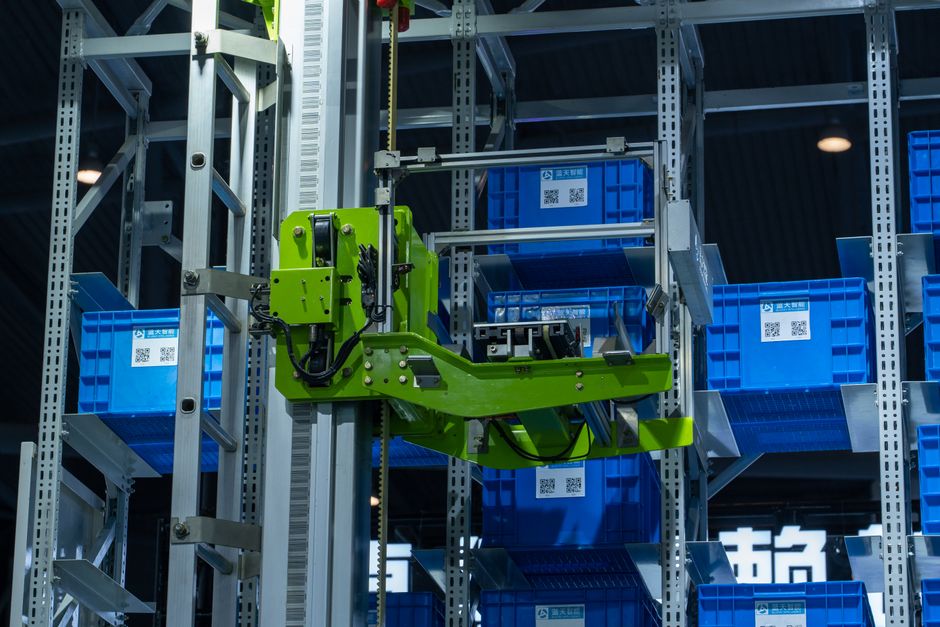
If you're new to this space, the landscape of AI in Procurement might seem overwhelming at first. The technology encompasses machine learning algorithms that predict supplier performance, natural language processing tools that analyze contract terms, and predictive analytics platforms that forecast demand fluctuations. For FMCG practitioners managing category management responsibilities or overseeing supply chain collaboration, these AI systems offer practical solutions to longstanding challenges. Rather than replacing human expertise, AI in procurement augments decision-making by processing massive datasets far beyond manual capabilities, identifying patterns in supplier reliability, and flagging potential disruptions before they impact shelf space allocation or promotional campaigns.
What Exactly Is AI in Procurement?
At its core, AI in Procurement refers to intelligent systems that automate and enhance purchasing decisions through data analysis and pattern recognition. Unlike traditional procurement software that simply records transactions, AI platforms actively learn from historical purchasing data, supplier performance metrics, and market conditions. In the FMCG context, this means systems that understand the relationship between raw material costs, production schedules, and promotional lift requirements. When a category manager plans a major trade promotion for a beverage line, AI tools can simultaneously evaluate supplier capacity, predict potential bottlenecks in the supply chain, and recommend optimal ordering quantities that balance cost efficiency with the risk of stockouts.
The technology stack typically includes several components working together. Machine learning models analyze past procurement patterns to identify cost-saving opportunities, such as consolidating orders with preferred suppliers or timing purchases to coincide with favorable market conditions. Natural language processing interprets supplier contracts, flagging non-standard terms or compliance risks that human reviewers might miss during high-volume periods. Predictive analytics forecast future needs based on sales velocity data, promotional calendars, and seasonal trends specific to consumer goods categories. Computer vision can even assess supplier facility conditions through satellite imagery or inspection photos, adding another layer of risk management to the procurement process.
Why AI in Procurement Matters for FMCG Companies
The financial impact of procurement decisions in consumer goods cannot be overstated. When procurement teams at companies like PepsiCo or Coca-Cola negotiate contracts for ingredients, packaging materials, or logistics services, even fractional percentage improvements translate to millions in annual savings. AI in Procurement delivers value across multiple dimensions that directly affect gross margin return on investment and overall profitability. First, these systems dramatically reduce the time spent on repetitive tasks like purchase order generation, supplier communications, and invoice matching. Procurement professionals can redirect that time toward strategic activities like supplier relationship development and demand forecasting collaboration with sales teams.
Second, AI excels at uncovering hidden opportunities in procurement data. Traditional analysis might reveal that Supplier A offers lower unit costs than Supplier B, but AI in procurement digs deeper. It correlates supplier performance with on-time delivery rates, quality defect patterns, and responsiveness during demand surges tied to promotional campaigns. For FMCG companies managing new product introduction timelines, this intelligence proves invaluable. The system might identify that while Supplier A has better pricing, Supplier B consistently delivers faster during Q4 when holiday promotions drive volume spikes, making them the superior choice despite higher per-unit costs. This nuanced analysis directly supports better trade spend allocation decisions and promotional ROI analysis.
Risk Mitigation and Supply Chain Resilience
Recent global disruptions have exposed vulnerabilities in consumer goods supply chains. AI in procurement strengthens resilience by continuously monitoring supplier health indicators, geopolitical risks, and alternative sourcing options. When a key ingredient supplier faces financial difficulties or regional instability threatens production facilities, AI systems alert procurement teams with sufficient lead time to activate contingency plans. For organizations implementing custom AI solutions, this early warning capability integrates seamlessly with existing enterprise resource planning systems and category management platforms.
The technology also addresses one of the FMCG industry's persistent challenges: demand volatility. Consumer preferences shift rapidly, and promotional activities create unpredictable demand spikes. AI procurement systems synchronize with sales data and market share analytics to automatically adjust purchasing forecasts. When a successful marketing campaign drives unexpected velocity increases for a snack category, the AI platform immediately recalculates raw material requirements and triggers accelerated orders with suppliers who have demonstrated reliable rush fulfillment. This agility protects both revenue opportunities and customer relationships with retailers who demand consistent inventory availability.
Core Capabilities Every Beginner Should Understand
As you explore AI in Procurement solutions, certain fundamental capabilities appear across most platforms. Spend analysis functionality uses machine learning to categorize and analyze purchasing patterns, often revealing opportunities for consolidation or volume discounts. In FMCG contexts where companies purchase thousands of SKUs across packaging, ingredients, and promotional materials, this automated categorization saves enormous time compared to manual classification. The insights drive strategic decisions about supplier rationalization and preferred vendor programs that improve negotiating leverage.
Supplier risk scoring represents another critical capability. AI algorithms evaluate suppliers across multiple dimensions—financial stability, delivery performance, quality metrics, and compliance history—generating composite risk scores that update in real-time as new data arrives. During annual category reviews or when evaluating new suppliers for a product line extension, these scores provide objective benchmarks that complement relationship factors and pricing considerations. The scoring models learn over time, incorporating your organization's specific priorities and weighting factors that reflect your business model.
Predictive Analytics for Demand Forecasting
Perhaps the most transformative aspect of AI in procurement involves predictive capabilities. Rather than reactive ordering based on current inventory levels, AI systems forecast future needs with remarkable accuracy. They incorporate diverse data sources: historical sales patterns, promotional calendars, trade spend plans, weather forecasts (critical for beverage and food categories), economic indicators, and even social media sentiment. For FMCG professionals managing promotion planning and execution, this forward-looking intelligence enables proactive supplier engagement and capacity reservation during peak periods.
The forecasting models continuously refine themselves as actual results validate or contradict predictions. If the system underestimated demand during a recent promotional campaign, it adjusts the weighting factors that evaluate similar future promotions. This self-improving characteristic distinguishes AI from static forecasting formulas. Over months and years, the accuracy improvements compound, leading to inventory optimization that simultaneously reduces carrying costs and stockout incidents—a balance that directly enhances GMROI across product portfolios.
Getting Started: Practical First Steps
For FMCG professionals ready to implement AI in procurement, the journey typically begins with data preparation. AI systems require clean, structured data to generate reliable insights. Start by consolidating procurement data from various sources—your ERP system, supplier portals, contract management platforms, and category management tools. Many organizations discover that data quality issues have been hiding in plain sight: duplicate supplier records, inconsistent product categorizations, or incomplete historical information. Addressing these fundamentals creates a solid foundation for AI deployment.
Next, identify specific use cases that align with your organization's pain points. Rather than attempting a comprehensive transformation immediately, focus on targeted applications where AI can deliver measurable value quickly. If inefficiencies in trade spend allocation represent your biggest challenge, prioritize AI tools that optimize promotional material procurement and logistics. If supplier reliability issues disrupt production schedules, emphasize risk scoring and alternative sourcing capabilities. These focused initiatives build organizational confidence and demonstrate ROI that justifies broader investments in AI in procurement technology.
Pilot programs work exceptionally well in this domain. Select a single category or supplier segment as a testing ground. Perhaps focus on packaging materials for one product family or ingredients for a specific beverage line. Implement the AI solution in parallel with existing processes, comparing recommendations against human decisions and actual outcomes. This controlled approach minimizes risk while generating concrete evidence of the technology's value. Successful pilots naturally expand as procurement teams witness the efficiency gains and cost savings, and as category managers recognize the improved coordination between purchasing decisions and promotional strategies.
Building Internal Capabilities
Technology alone doesn't guarantee success. Organizations need people who understand both procurement domain knowledge and AI fundamentals. Invest in training for your procurement team, focusing on how to interpret AI recommendations, identify situations where human judgment should override algorithmic suggestions, and provide feedback that improves system performance. Cross-functional collaboration becomes even more critical when AI enters the picture. Procurement teams must work closely with data science resources who configure and maintain the AI models, ensuring that algorithms reflect actual business priorities and constraints specific to FMCG operations.
Change management deserves careful attention. Some procurement professionals may feel threatened by automation or skeptical that algorithms can match their accumulated experience. Address these concerns transparently by emphasizing that AI in procurement augments rather than replaces human expertise. The technology handles data-intensive analytical tasks, freeing professionals to focus on relationship building, strategic negotiations, and creative problem-solving that requires emotional intelligence and industry intuition. Frame the implementation as empowering the team with better tools rather than questioning their capabilities.
Common Misconceptions and Realistic Expectations
As you begin your AI in procurement journey, maintain realistic expectations about timelines and outcomes. A common misconception suggests that AI delivers instant transformation. In reality, these systems require time to ingest historical data, calibrate models to your specific context, and accumulate the learning that drives accuracy improvements. Early results might seem modest, but the value compounds as the AI gains experience with your suppliers, products, and business rhythms. Think in terms of quarters and years rather than weeks for full maturity.
Another myth implies that AI procurement systems operate autonomously without human oversight. Current technology works best in a collaborative model where algorithms generate recommendations and humans make final decisions, especially for high-stakes purchases or strategic supplier relationships. The AI might suggest switching to an alternative supplier based on cost analytics, but category managers incorporate additional context—an upcoming capacity expansion at the current supplier, longstanding relationships that provide preferential treatment during shortages, or quality considerations that don't fully appear in quantitative metrics. This human-AI partnership leverages the strengths of both.
Cost considerations also merit realistic assessment. Enterprise-grade AI in procurement platforms represent significant investments, particularly for mid-sized FMCG companies. However, the technology has become more accessible through cloud-based subscription models and modular implementations that allow organizations to adopt capabilities incrementally. Calculate ROI based on specific, measurable improvements: percentage reduction in maverick spending, days saved in contract analysis, improved on-time delivery rates, or decreased emergency expediting costs. These concrete metrics justify the investment and guide prioritization decisions about which AI capabilities to implement first.
Integration with Existing FMCG Processes
Successful AI in procurement implementation requires seamless integration with established workflows. In FMCG environments, procurement doesn't exist in isolation—it connects to demand planning, category management, trade promotion optimization, new product introduction processes, and supply chain collaboration platforms. The AI system must exchange data bidirectionally with these adjacent systems. When the trade promotion team plans a major campaign, that information should automatically flow to procurement AI tools that adjust purchasing forecasts and supplier communications accordingly.
Category management represents a particularly important integration point. Category managers rely on procurement to execute their strategies regarding product assortment, shelf space allocation, and promotional support. AI in procurement enhances this relationship by providing predictive insights about supplier capacity, lead times, and cost trends that inform category planning decisions. Conversely, category managers' knowledge about upcoming product reformulations, packaging changes, or brand strategies helps procurement AI systems anticipate shifting requirements and engage suppliers proactively. This bidirectional information flow multiplies the value of both the category management process and the procurement AI investment.
The integration extends to performance measurement as well. Traditional procurement metrics focus on cost savings and purchase order cycle times. While AI certainly improves these conventional measures, it also enables more sophisticated KPIs that reflect strategic value. Track how AI recommendations influence promotional lift by ensuring product availability during campaigns. Measure the correlation between AI-driven supplier selection and quality defect rates that affect consumer satisfaction. Monitor how predictive procurement supports distribution point expansion by preventing stockouts in new retail channels. These advanced metrics demonstrate AI's contribution to business outcomes beyond procurement department boundaries, building executive support for continued investment. This comprehensive approach, particularly when enhanced by Trade Promotion Management AI and other specialized tools, positions FMCG companies to compete effectively in increasingly dynamic markets.
Conclusion
For FMCG professionals taking their first steps into AI in procurement, the journey requires careful planning, realistic expectations, and commitment to both technology and organizational change. The rewards justify the effort: more efficient purchasing processes, better supplier relationships, improved resilience against disruptions, and ultimately stronger financial performance in an industry where margin improvement often represents the difference between market leadership and irrelevance. Start with focused pilot projects that address specific pain points, invest in your team's capabilities to work alongside AI tools, and maintain patience as the systems learn and mature. As you progress, the integration of specialized solutions like Trade Promotion Management AI creates synergies across procurement, category management, and promotional planning that compound competitive advantages. The FMCG companies that master AI in procurement today will define industry best practices tomorrow, setting standards that competitors struggle to match.


Comments
Post a Comment